 White Tank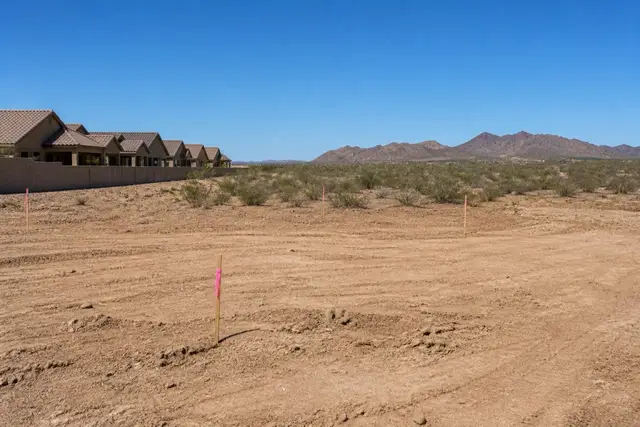
White Tank Clearing Pros puts Buckeye property owners on the phone with a local land clearing contractor when the job is lot clearing — in Buckeye proper and the desert communities around it.
Buckeye sells more raw lots than almost anywhere in Arizona, and every one of them needs the same first act: the desert has to come off before anything goes up. Lot clearing is that act done in order — vegetation down, protected plants handled or preserved, root crowns grubbed from the building envelope, surface debris out, and the ground left at a rough grade a foundation crew can work from.
The order matters because of what this ground hides. Under the creosote is sandy loam; under the loam, at a depth that varies lot by lot, is caliche — carbonate-cemented hardpan that dulls rippers and changes excavation pricing mid-job if nobody scouted it. A competent clearing pass probes for it early, flags where it runs shallow, and hands the builder that map instead of a surprise.
Scale flexes to the project. An infill quarter-acre between finished houses in Sundance or Westpark is a tidy one-day job worked gently around block walls and neighbors' irrigation. A five-acre custom homesite off Sun Valley Parkway is machine work in the open, where the job is less about finesse and more about sequencing — clear, grub, windrow, load, rough-grade — so trucks aren't waiting on each other.
Buckeye's rules ride along on every version: the county's dust-control permit kicks in at a tenth-acre of disturbed ground, watering keeps the work legal on windy days, and any saguaro or protected native on the lot either gets designed around or goes through the state's salvage-notice process before it moves. Utilities get located before the first root is pulled — blue-stake first is not optional out here.
What you should receive at the end is boringly specific: a lot cleared to the surveyed lines and no further, grubbed where the slab and drive will sit, stable enough not to blow, and documented in a written bid that matched the invoice. That's the standard this site connects you to.
Reading a Buckeye lot before the first pass
Two free tools tell you most of what a lot will fight you with. The NRCS Web Soil Survey maps the soil series under your parcel — including drainage class and the depth notes that hint at hardpan — before you spend a dollar. And the UA Extension caliche publication explains the cemented layer itself: why it perches water, what breaks it, and why two lots on the same street can price differently to clear and grade.
The walk-through adds what maps can't: where the lot's stormwater actually wants to go. Even flat-looking Buckeye ground sheds monsoon water somewhere, and a clearing pass that ignores the existing flow path sets up ponding against the future slab. Rough grade should leave water moving away from the envelope on day one — a detail cheap to get right now and expensive to retrofit.
The permit stack nobody warns lot buyers about
Vegetation removal itself is the easy part; the wrappers around it are where new owners stumble. Maricopa County's dust-control rules require a permit and an active control plan — typically a water source on site — once disturbance crosses the tenth-acre threshold, and inspectors do patrol the fast-growing corridors. Protected natives carry the state's advance-notice requirement, with the notice window measured in weeks, so a lot with a saguaro on the slab line needs that clock started early, not the day the excavator shows up.
None of this should land on the homeowner to research. A contractor clearing Buckeye lots every month carries the permit workflow, the watering equipment, and the salvage contacts as standard kit, and the bid should show those lines explicitly. If a bid is silent on dust and native plants, it isn't cheaper — it's incomplete.